The Crisis at Alexander McQueen: Layoffs, Falling Profits, and a Brand in Transition
 WNO1Model
3 min read
WNO1Model
3 min read
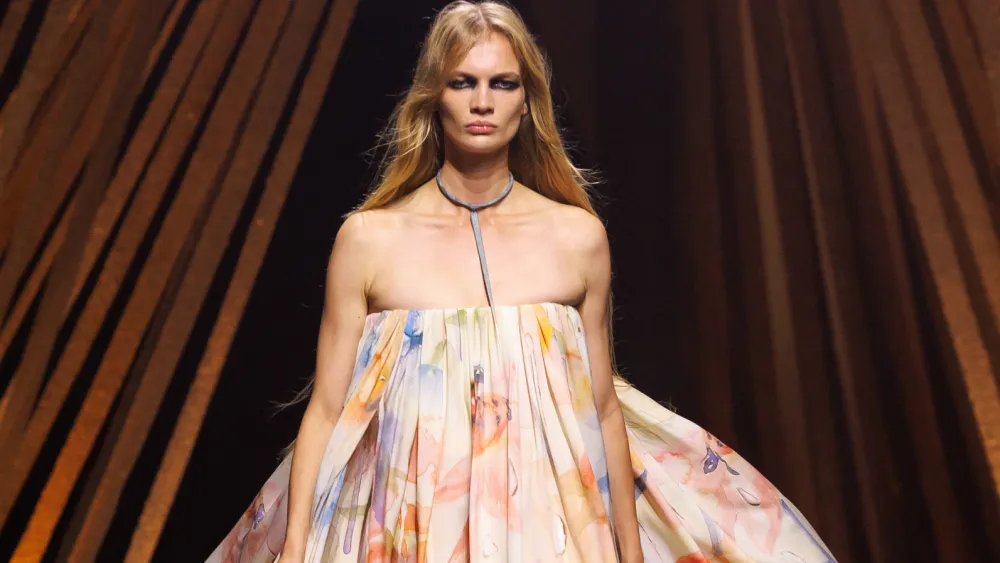
The British luxury fashion house Alexander McQueen is currently undergoing one of the most challenging periods in its recent history. Known for its avant-garde designs and strong heritage, the brand is now facing declining revenues, shrinking profitability, and significant staff layoffs as part of a major restructuring effort led by its parent company, Kering.
Declining Profits and Revenue Collapse
At the core of McQueen’s difficulties is a sharp financial downturn. Reports indicate that the brand’s revenues have fallen by as much as 60% between 2022 and 2025, reflecting weakening demand and strategic missteps.
Several factors contributed to this decline. The company expanded aggressively, growing its global retail network to around 135 stores, which increased operational costs. At the same time, it became heavily dependent on sneaker sales—at one point accounting for up to 80% of total revenue—leaving the business vulnerable when trends shifted.
Losses have been substantial, reportedly reaching around £150 million in 2024, further highlighting the urgency for intervention.
Widespread Layoffs Across Europe
In response to these financial pressures, Alexander McQueen has initiated a sweeping restructuring program that includes significant job cuts in both the United Kingdom and Italy.
- In London, around 55 jobs—approximately 20% of head office staff—were targeted for redundancy.
- In Italy, the company has launched a collective redundancy process affecting 54 out of 181 employees, roughly one-third of its workforce in the country.
These layoffs are part of a broader plan to streamline operations and reduce costs as the brand attempts to return to sustainable profitability. Management has described the decisions as “difficult” but necessary for long-term survival.
However, the cuts have sparked strong opposition from trade unions, particularly in Italy, where concerns have been raised about the social impact on workers and the stability of the local supply chain.
Strategic Restructuring and Store Closures
The restructuring goes beyond layoffs. Under the leadership of Kering’s CEO, Luca de Meo, the brand is undergoing a comprehensive overhaul.
Key measures include:
- Potential closure of more than half of its global stores
- Refocusing on core products such as tailoring and womenswear
- Repositioning the brand to regain relevance in the luxury market
These changes aim to correct past overexpansion and rebuild a clearer identity for McQueen.
Creative Transition and Brand Identity Challenges
The restructuring comes at a time of creative transition. After the departure of long-time creative director Sarah Burton in 2024, the brand is now led by Seán McGirr. While recent collections have shown promise, the company is still struggling to connect with younger consumers and maintain cultural relevance.
This identity challenge adds another layer of complexity to McQueen’s recovery efforts, as it must balance heritage with innovation in an increasingly competitive luxury market.
Outlook: Can McQueen Recover?
Despite the severity of the situation, Kering remains committed to turning the brand around rather than selling it. The goal is to restore profitability within the next two to three years through cost-cutting, strategic refocusing, and creative renewal.
The success of this “shock treatment” remains uncertain. While the restructuring could stabilize the business, it also carries risks—particularly if layoffs and store closures weaken the brand’s operational capacity or creative momentum.
Conclusion
Alexander McQueen’s current situation reflects broader challenges within the luxury fashion industry, including shifting consumer preferences and the risks of overexpansion. With falling profits and significant layoffs, the brand is at a निर्णa moment.
Whether it can successfully reinvent itself will depend on the effectiveness of its restructuring strategy—and its ability to reconnect with a new generation of luxury consumers without losing the identity that once made it iconic.
Photo from Alexander McQueen
About The Author