Paris Fashion Week Autumn/Winter 2026: Fashion’s Grand Finale Returns to Form
 WNO1Model
4 min read
WNO1Model
4 min read
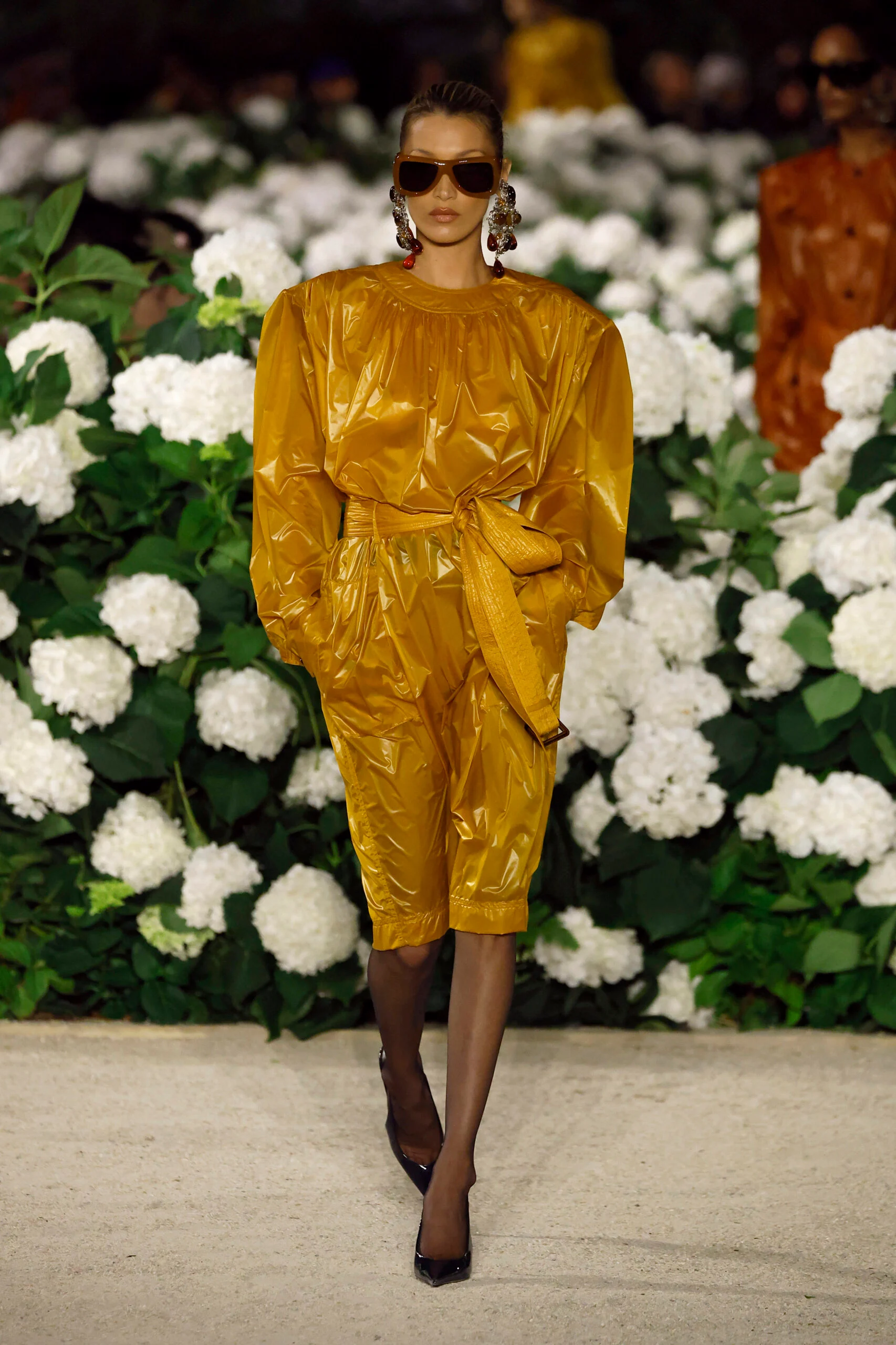
After seasons defined by creative director shake-ups and industry uncertainty, Paris delivered a week of renewed confidence. Designers leaned into strong identities, refined their houses’ signatures, and presented collections that balanced nostalgia with experimentation.
From grand runway spectacles to subtle reinventions of classic tailoring, the French capital once again proved why it remains the ultimate stage for fashion’s most influential ideas.
The Global Stage of Fashion Month
The Paris shows marked the conclusion of the traditional “fashion month” circuit, following New York Fashion Week, London Fashion Week, and Milan Fashion Week. Yet Paris consistently holds a special status: it is where heritage maisons meet cutting-edge creativity.
Buyers, editors, stylists, and celebrities descended on Paris, transforming the city into a global fashion hub for nearly ten days. Front rows were filled with actors, musicians, and influencers, while thousands followed the shows online, reflecting fashion’s expanding digital reach.
Dior’s Poetic Vision
One of the most talked-about shows came from Dior, where newly appointed creative director Jonathan Anderson presented a collection that merged romanticism with modernity.
The show took place in the Jardin des Tuileries, where the runway stretched across a reflective water installation filled with lilies. The setting evoked a dreamy Parisian garden promenade.
Anderson’s collection referenced the Belle Époque era while maintaining contemporary relevance. Tweed jackets, tailored blazers, delicate ruffles, and crystallized denim captured a balance between historical elegance and youthful experimentation. The collection signaled Anderson’s intention to reinterpret Dior’s heritage rather than simply reproduce it.
Power Tailoring at Saint Laurent
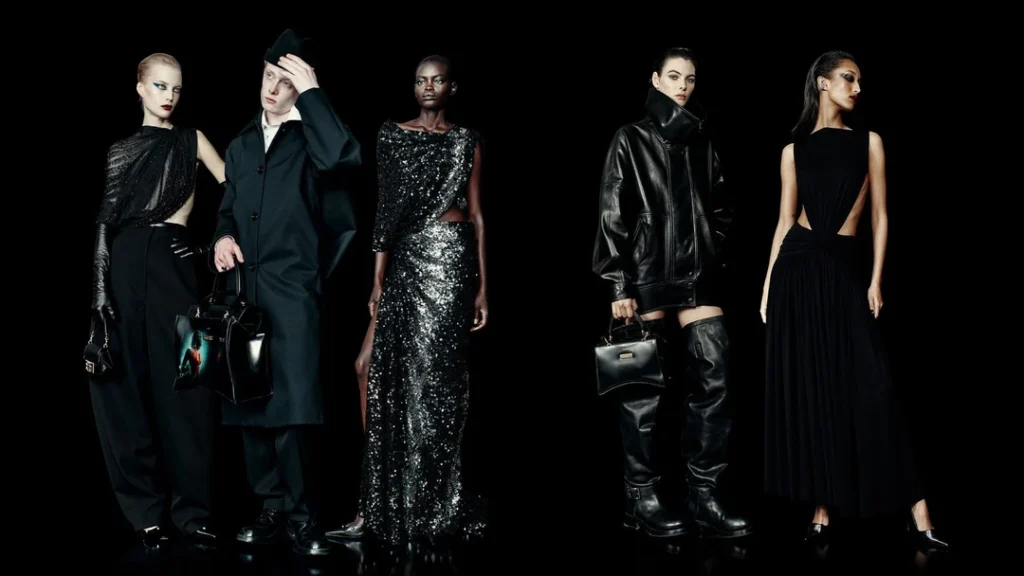
At Saint Laurent, creative director Anthony Vaccarello doubled down on the house’s legacy of sharp tailoring.
Inspired by cinematic imagery of the 1970s and the brand’s iconic tuxedo introduced by Yves Saint Laurent, Vaccarello delivered a lineup of commanding silhouettes: elongated blazers, structured shoulders, and dramatic evening suits.
The collection emphasized a new version of power dressing—less rigid than past interpretations but still unapologetically bold. It was a reminder that tailoring remains one of the most enduring pillars of luxury fashion.


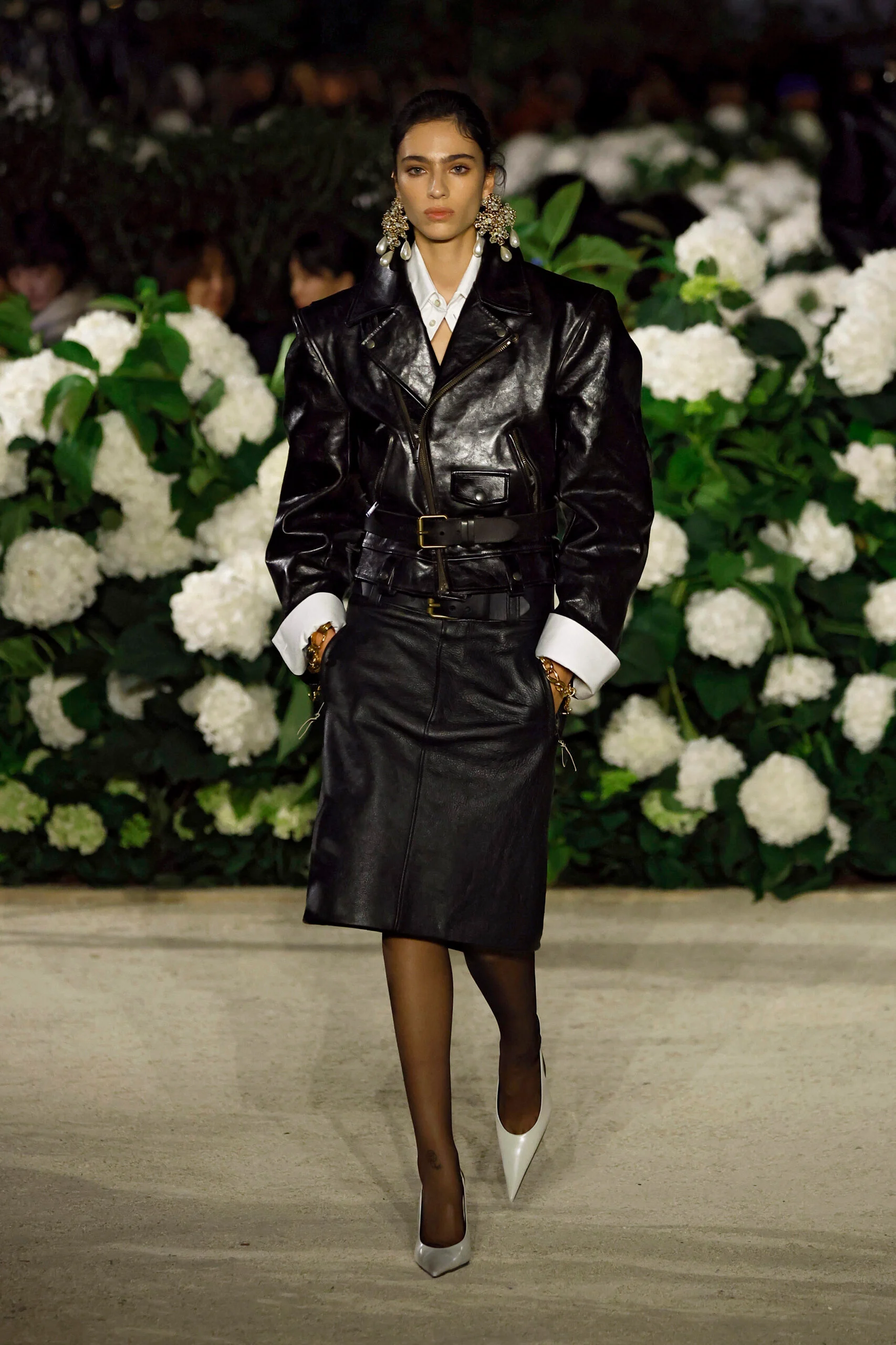


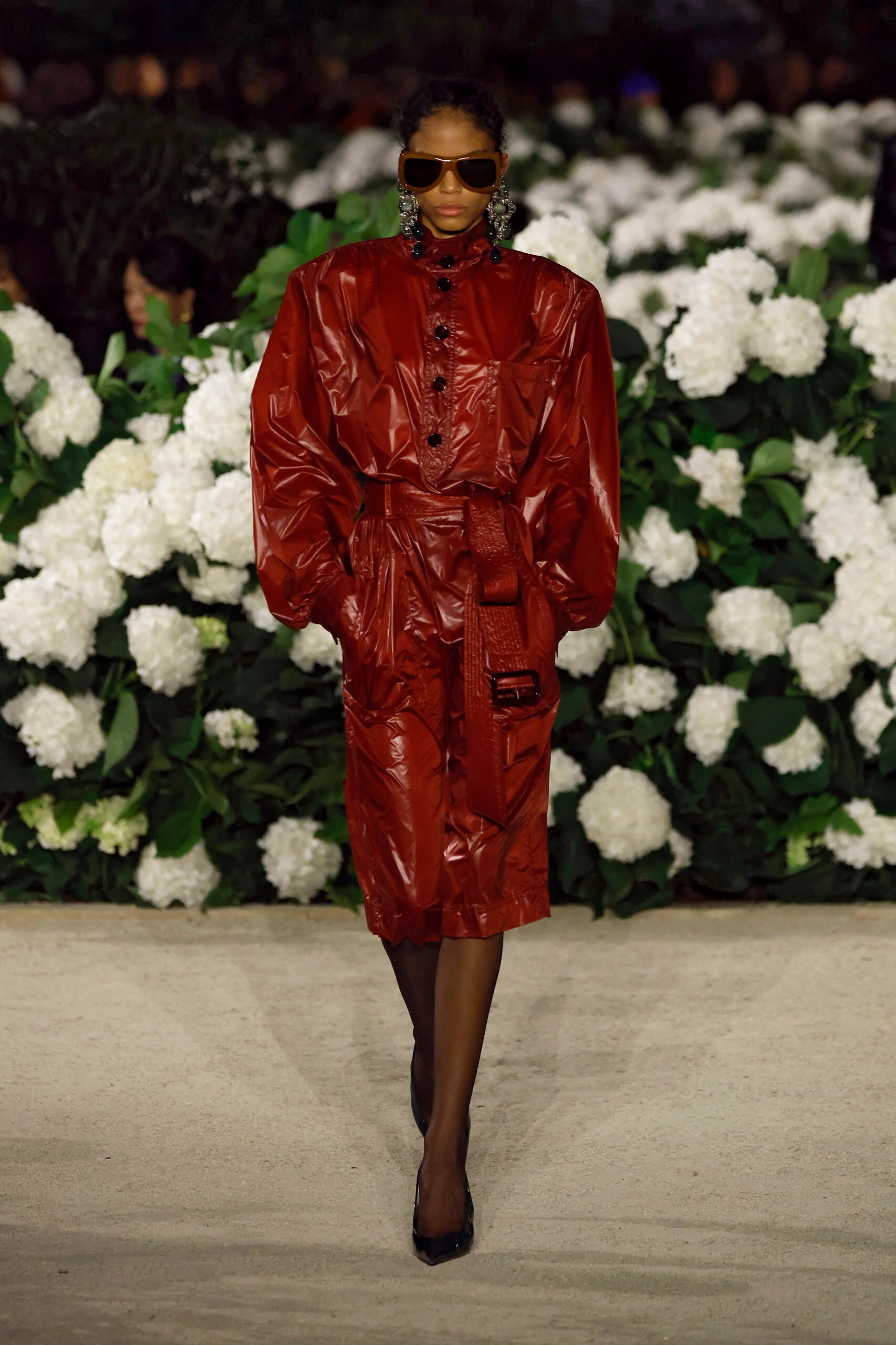


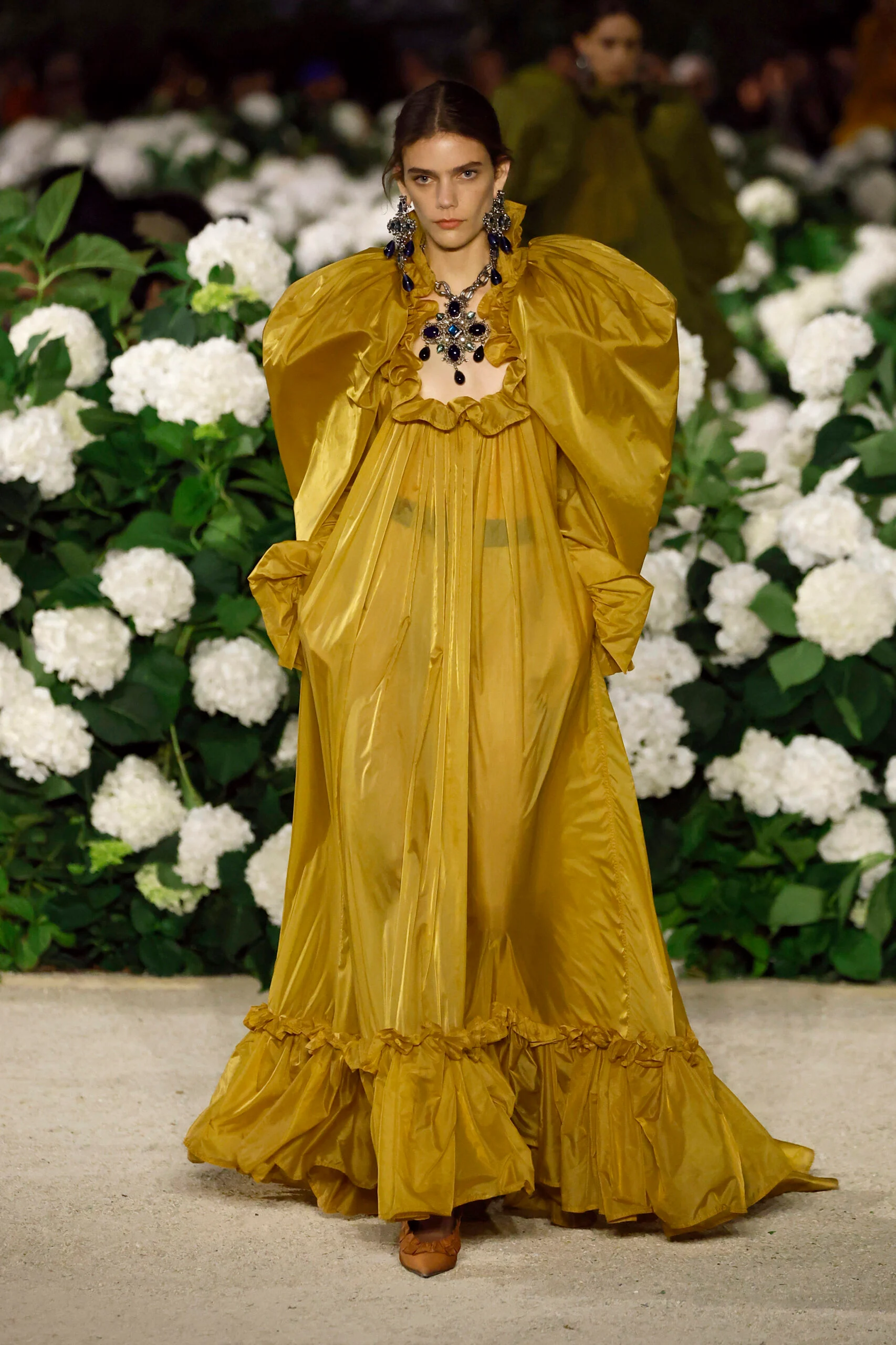

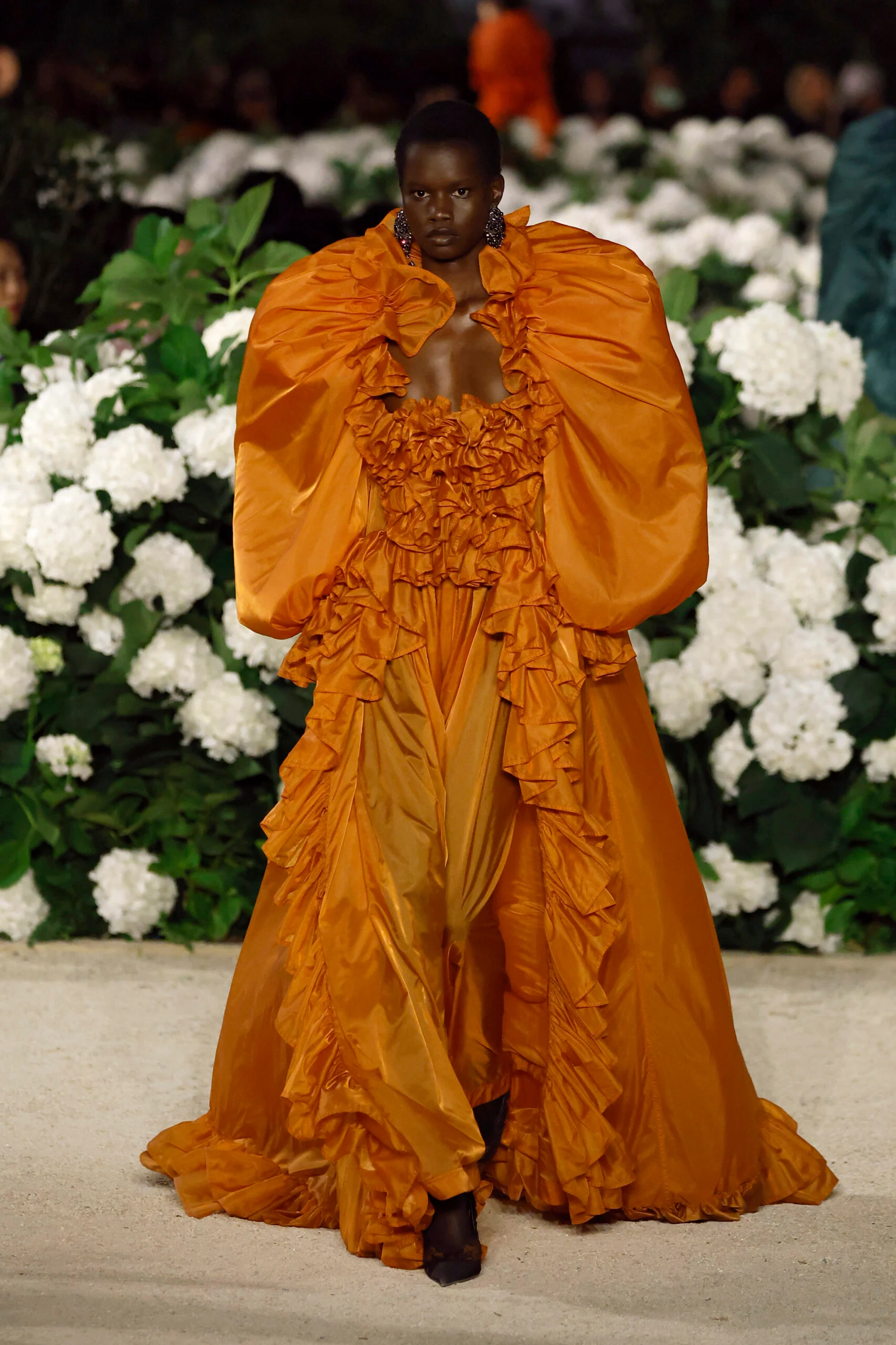


( Saint Laurent AW26 – Photo by Estrop/Getty Images)
A New Era at Chanel
Few shows generated as much anticipation as Chanel, where creative director Matthieu Blazy continued shaping the house’s next chapter.
Blazy refreshed Chanel’s iconic codes—boxy tweed suits, quilted handbags, and ballet flats—while introducing contemporary proportions and unexpected textures. The collection maintained the spirit of founder Coco Chanel but brought a sharper, more modern energy.
Editors noted that the balance between heritage and innovation felt particularly strong this season, suggesting the brand may be entering a commercially successful new phase.


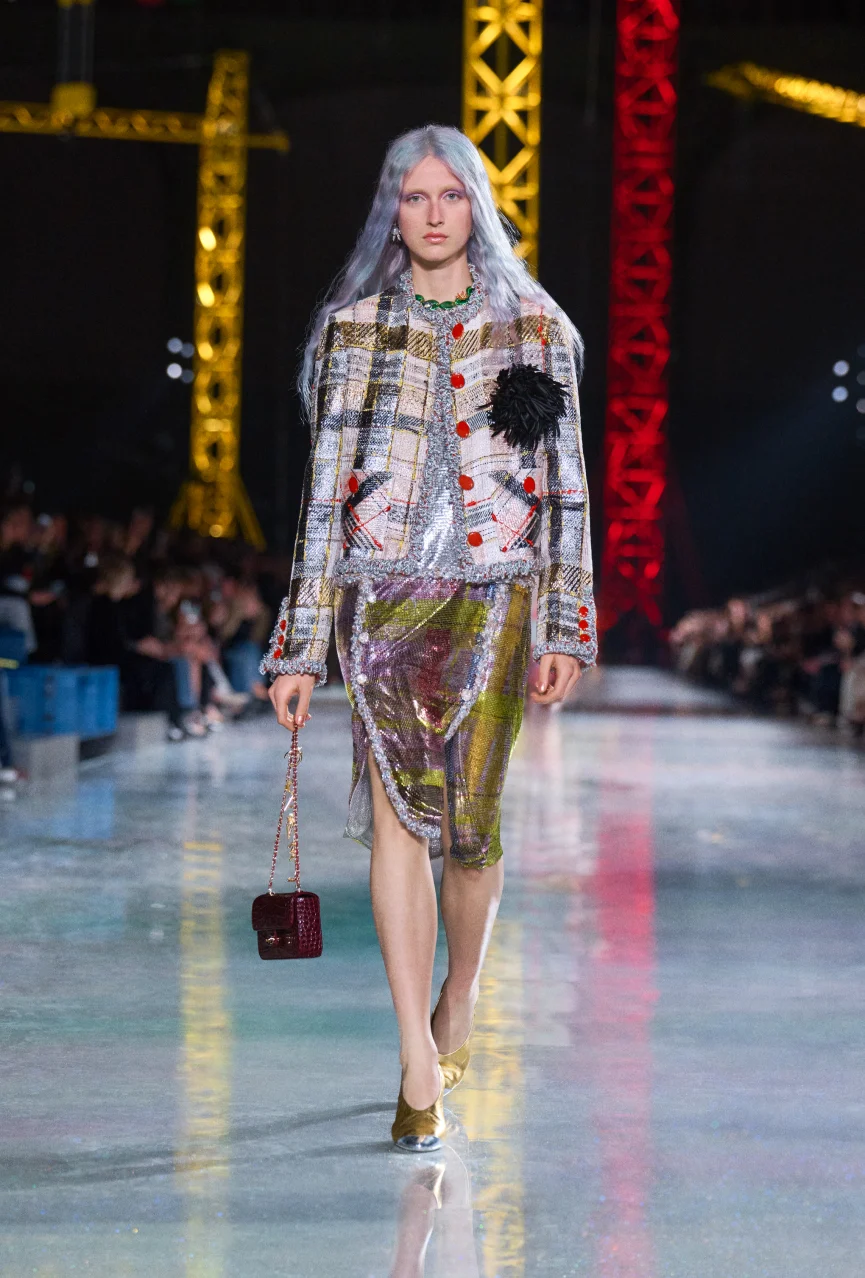

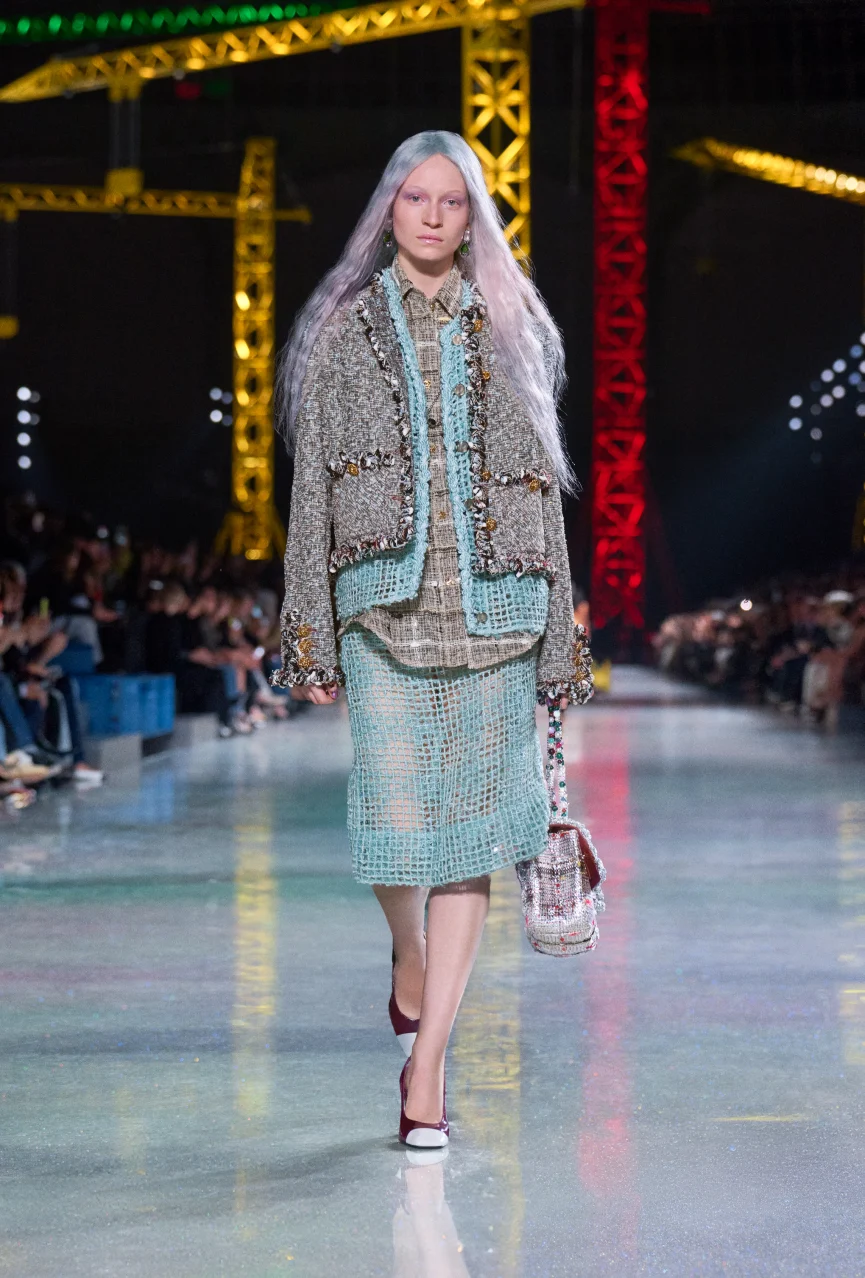


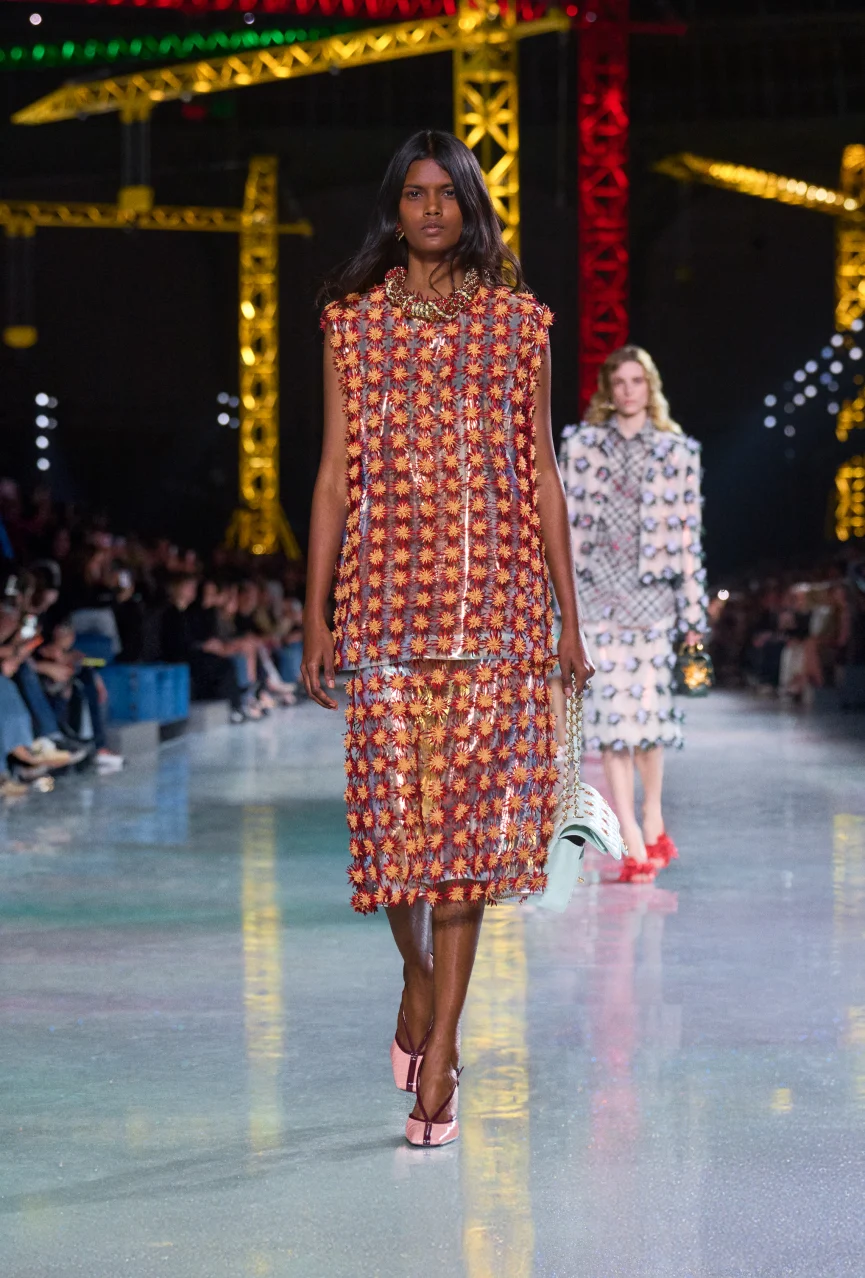


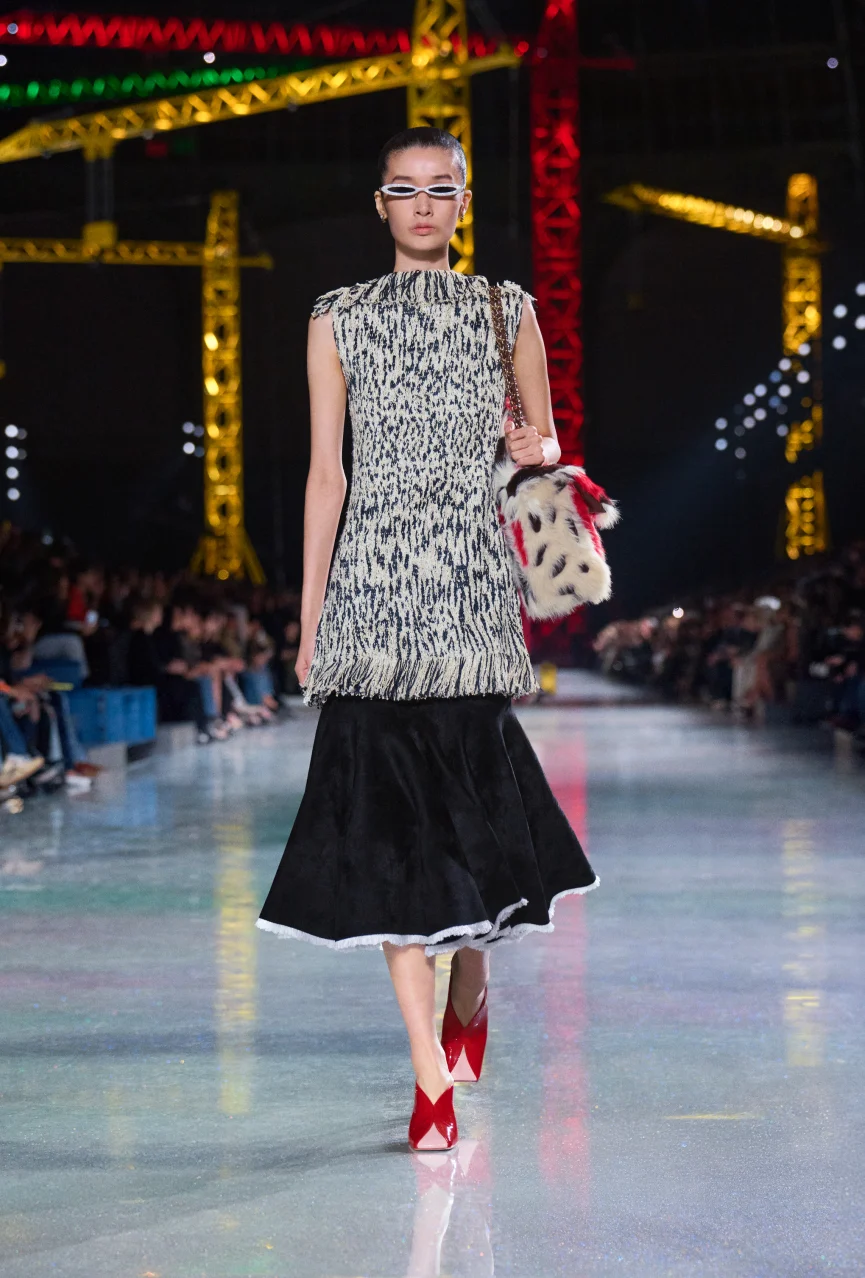


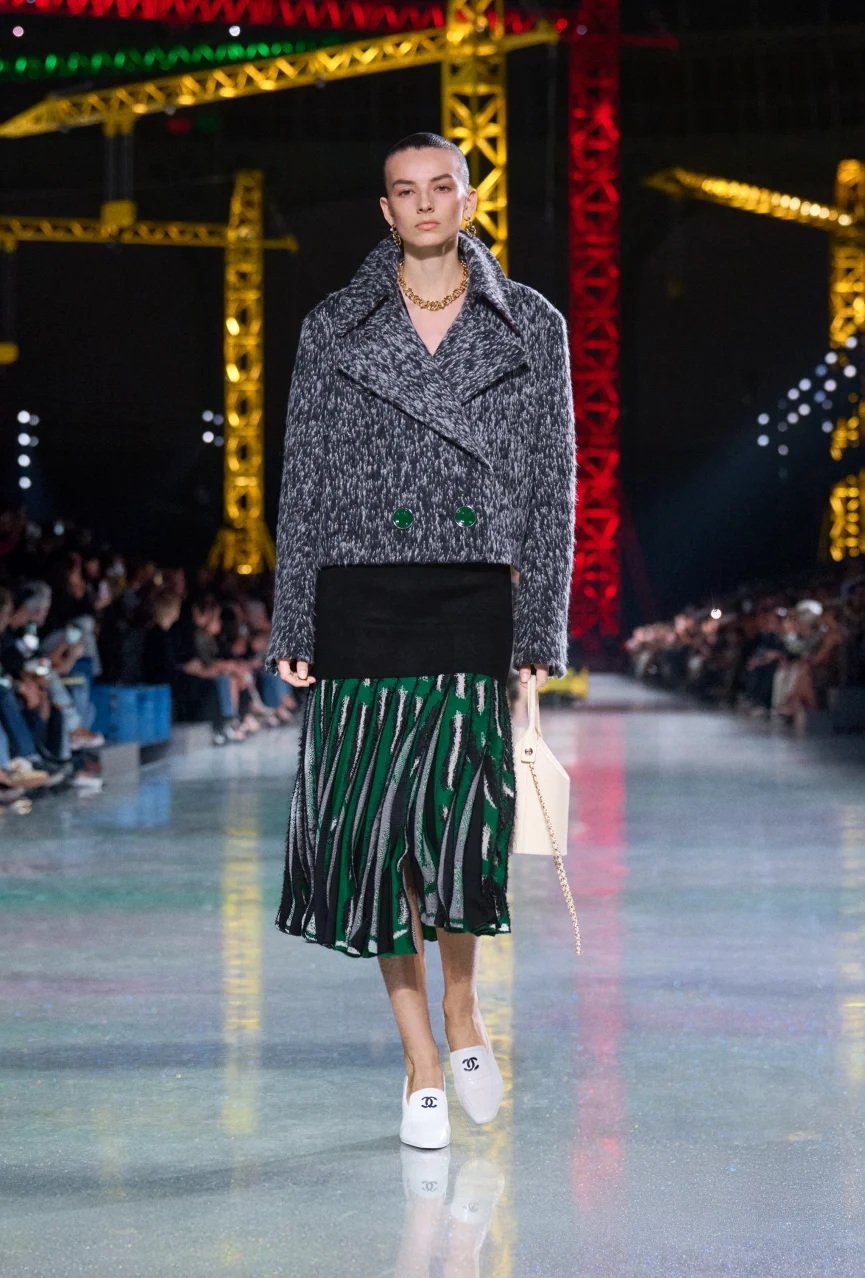


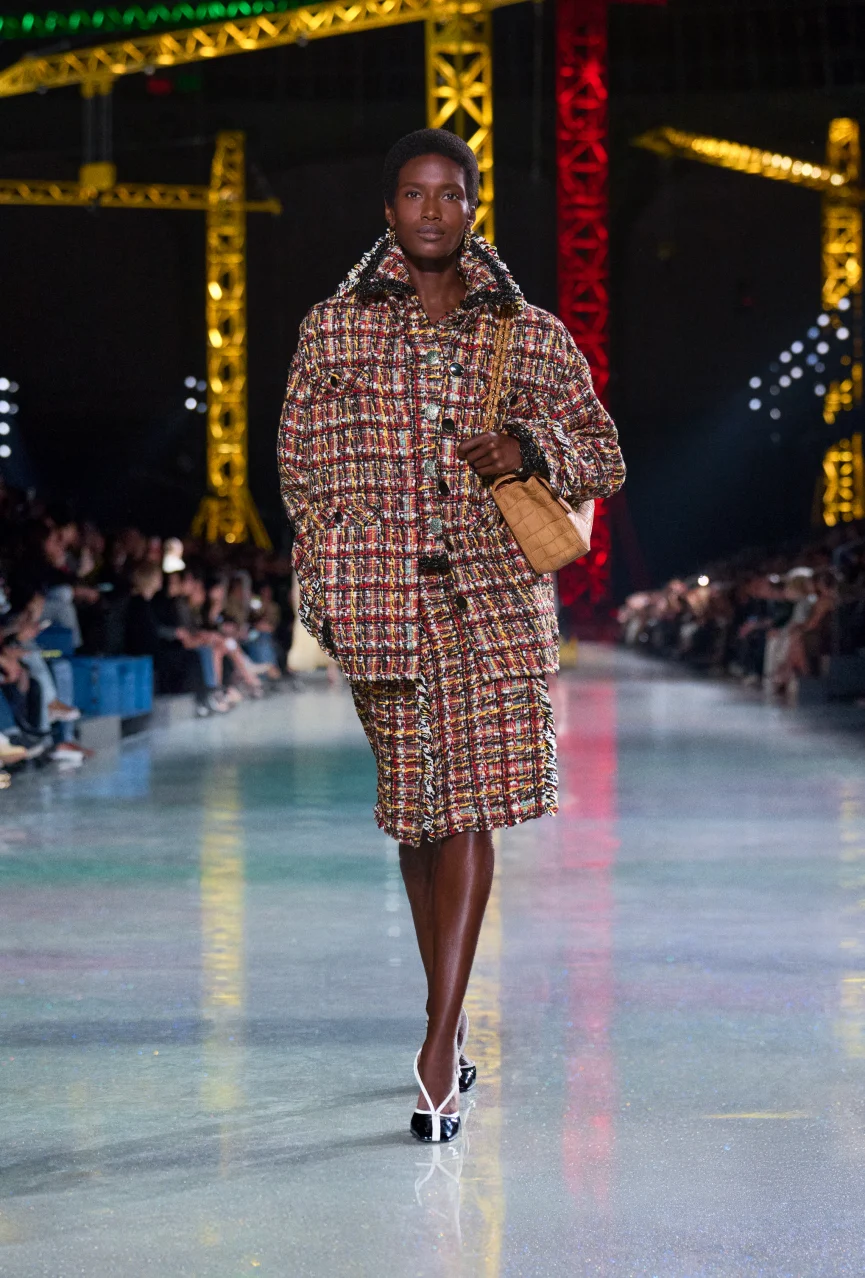


(Chanel Autumn/Winter 2026)
Louis Vuitton’s Futuristic Elegance
Meanwhile, Louis Vuitton creative director Nicolas Ghesquière continued exploring the intersection of futurism and tradition.
The runway featured layered silhouettes, sculptural outerwear, and experimental fabrics that blended craftsmanship with a forward-looking aesthetic. Ghesquière’s collections often blur time periods, and this season was no exception—historical references appeared alongside ultra-modern shapes and materials.
The result was a wardrobe designed for a woman who moves between eras with ease.
Defining Trends of the Season
Across dozens of shows, several themes emerged as defining trends for Autumn/Winter 2026.
1. Reinvented Tailoring
Structured suits and sharp jackets dominated the runways. Designers reimagined tailoring with softer fabrics and more fluid silhouettes, creating a modern version of power dressing.
2. Romantic Nostalgia
Many collections drew inspiration from historical aesthetics—particularly late-19th-century Parisian fashion and the glamour of the 1970s.
3. Texture as a Statement
Fringe, suede, tweed, velvet, and layered fabrics appeared frequently. Designers used texture to add depth and emotion to otherwise minimalist silhouettes.
4. Bold Accessories
Oversized bags, sculptural jewelry, and dramatic belts served as focal points. Accessories increasingly function as statement pieces rather than supporting details.
The Influence of Street Style
Outside the shows, the streets of Paris became a runway of their own. Editors, influencers, and stylists embraced a refined version of Parisian chic: trench coats, striped shirts, oversized tailoring, and vintage accessories.
Street style continues to influence runway design just as much as the other way around. The looks photographed outside show venues often shape trends months before they reach stores.
Fashion in a Changing World
Despite the glamour, this season unfolded against a complex global backdrop. Economic pressures and geopolitical tensions have influenced consumer behavior, forcing luxury brands to rethink strategy.
Yet fashion week also demonstrated the industry’s resilience. Creativity, spectacle, and craftsmanship remain powerful cultural forces—even during uncertain times.
Paris Still Leads the Conversation
If one message emerged from Paris Fashion Week Autumn/Winter 2026, it was that fashion is entering a phase of recalibration. Designers are moving beyond shock value and focusing instead on clarity of vision.
Through poetic runway environments, refined tailoring, and bold reinterpretations of heritage, Paris once again set the tone for the future of fashion.
As the lights dim on another season of shows, one truth remains: when the fashion world gathers in Paris, the conversation about style, culture, and creativity reaches its most influential stage.
About The Author