Louis Vuitton AW 2026 Ready-to-Wear: A New Folklore for the Future
 WNO1Model
3 min read
WNO1Model
3 min read

At Paris Fashion Week, Louis Vuitton unveiled its Autumn/Winter 2026 Ready-to-Wear collection under the creative direction of Nicolas Ghesquière—a designer known for merging historical references with forward-thinking silhouettes. This season, however, marked a distinct shift: a poetic exploration of nature, global dress traditions, and what Ghesquière described as a “new folklore for the future.”
A Runway Rooted in Imagination
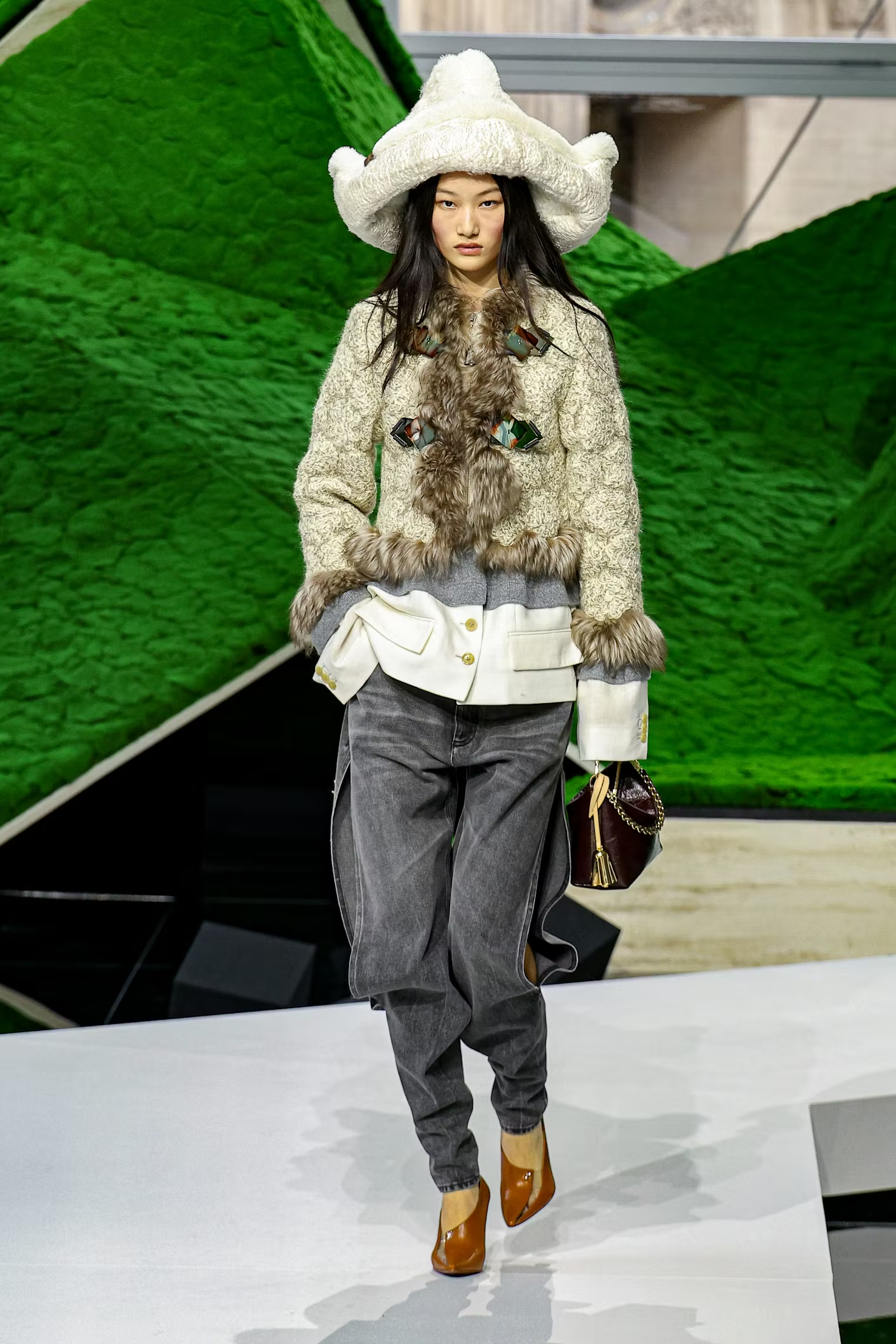
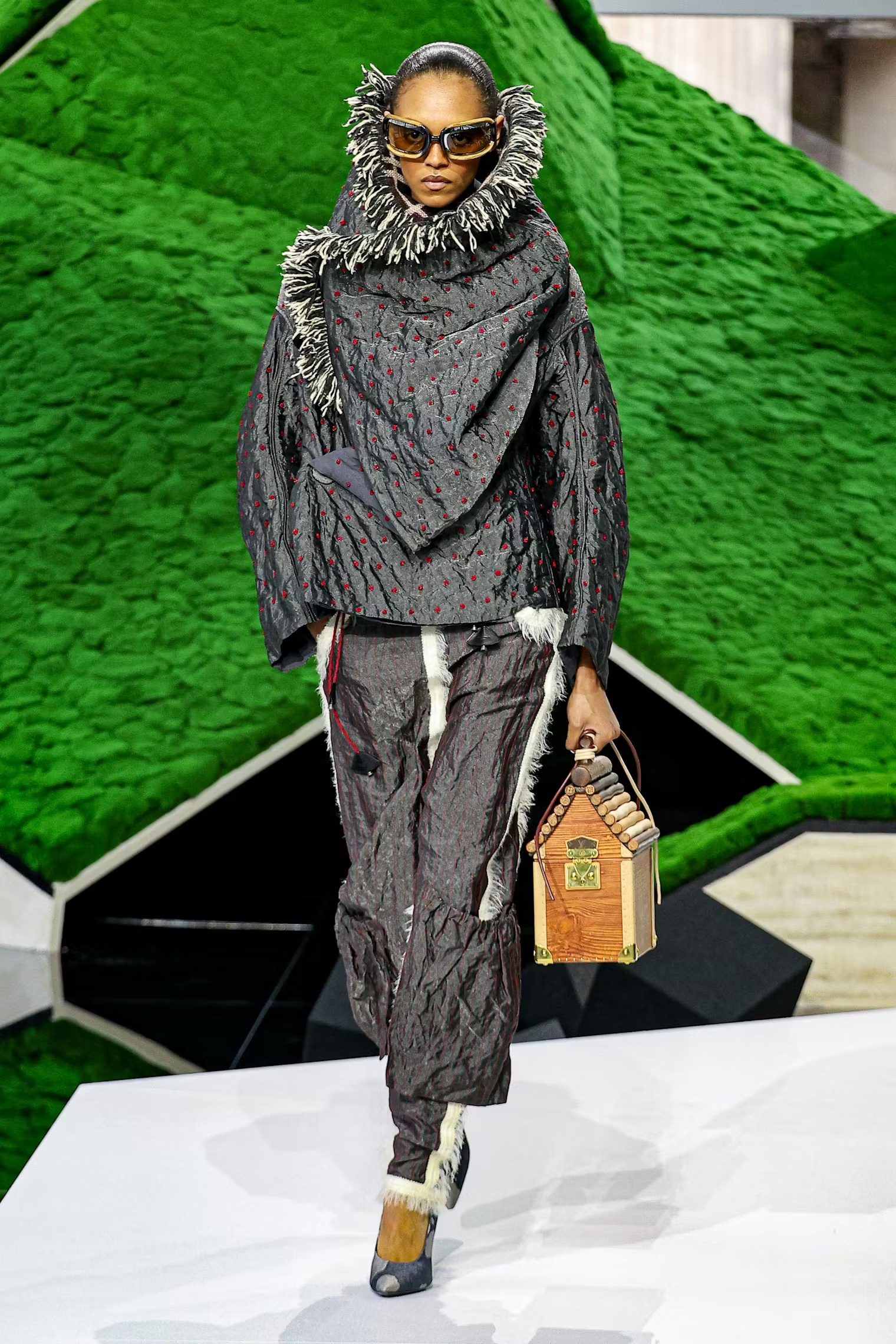
Set within a moss-covered, dreamlike “neo-landscape,” the show transported audiences away from urban modernity into something more primal and reflective. The staging itself echoed the collection’s core message: a reconnection with nature in an increasingly digital world.
Ghesquière drew inspiration from diverse global cultures, referencing garments from regions as varied as the Mongolian steppe, Peru, and Nepal. Rather than literal reproductions, these influences were abstracted into sculptural, architectural pieces—suggesting a shared human language of dress across geography.
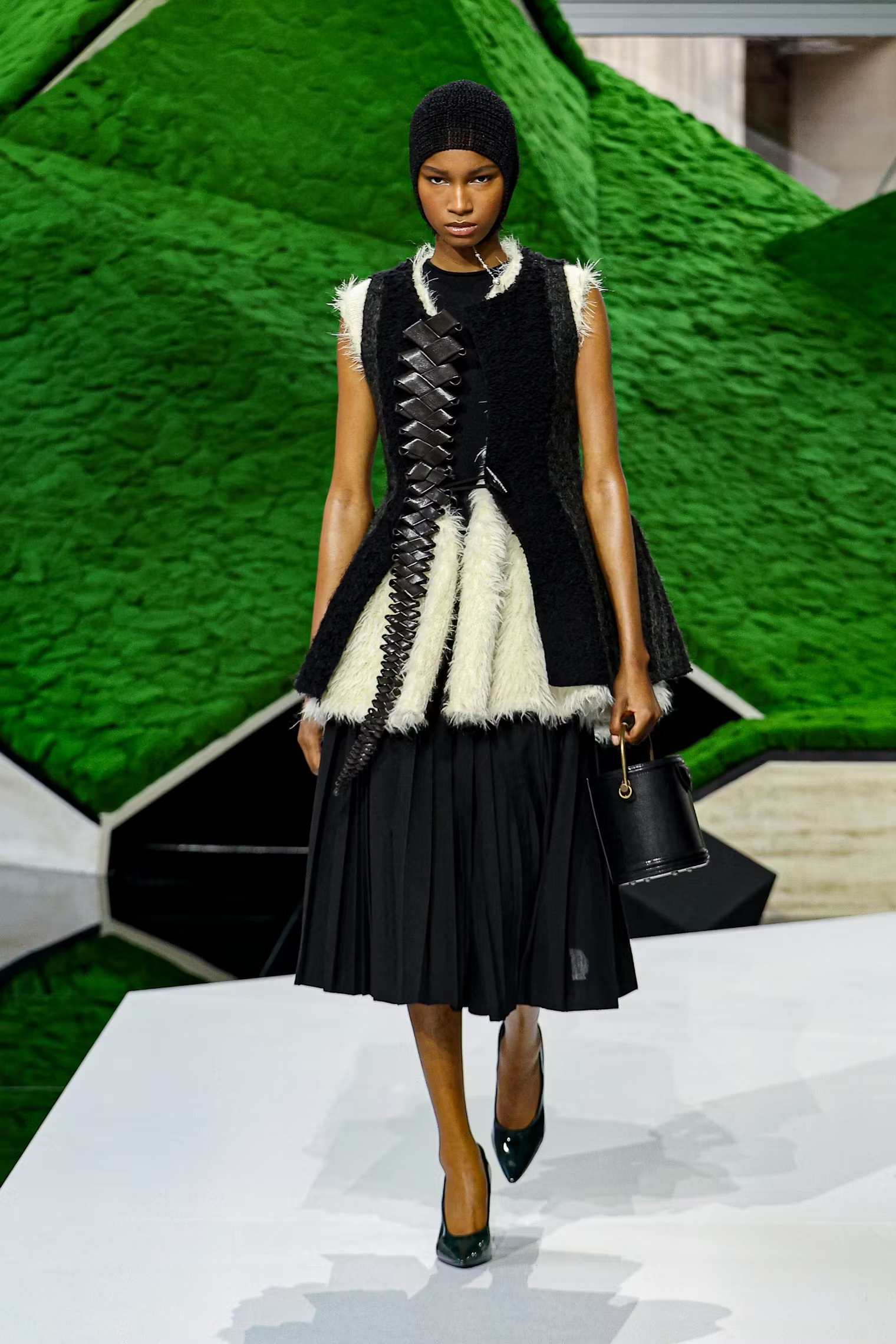


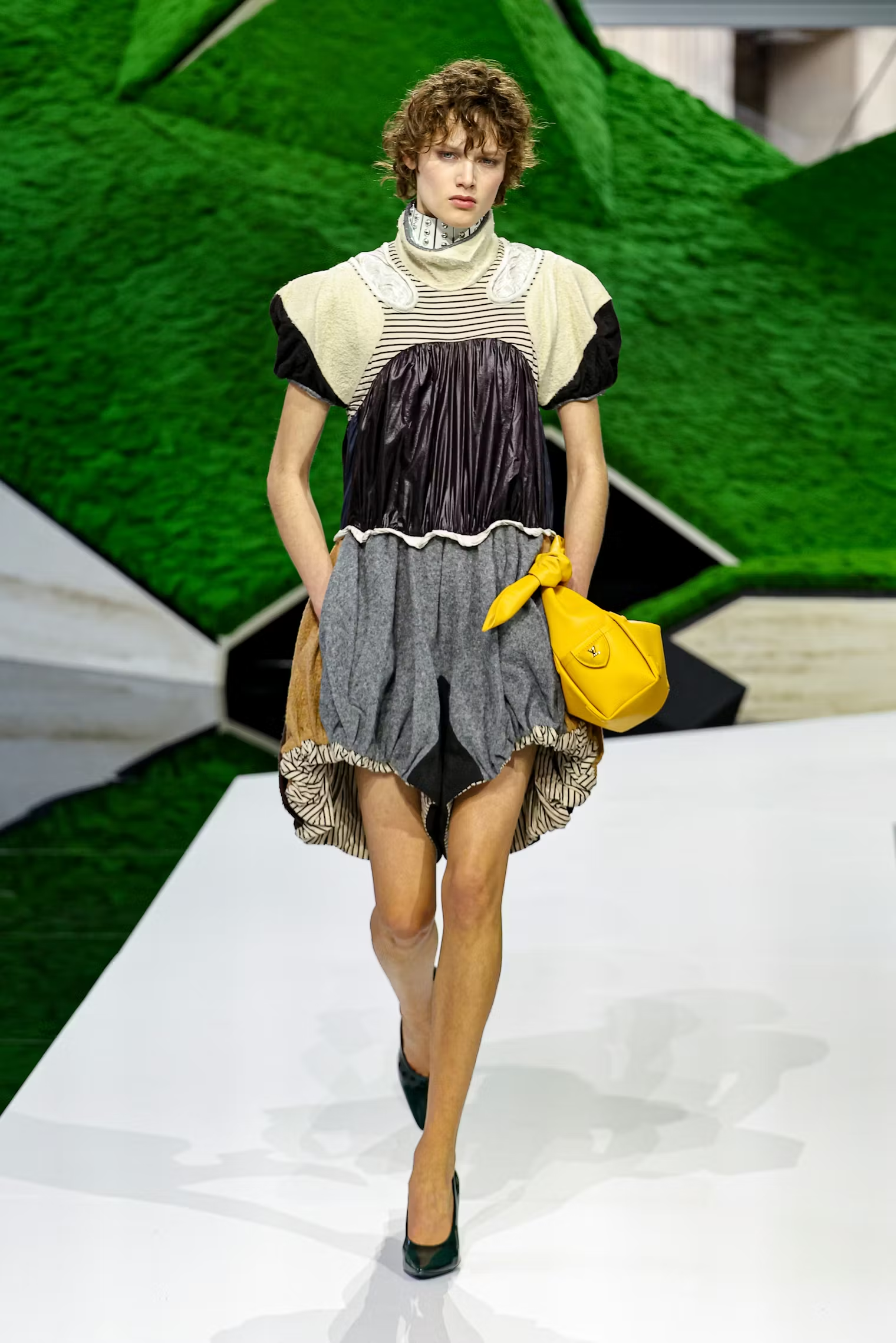
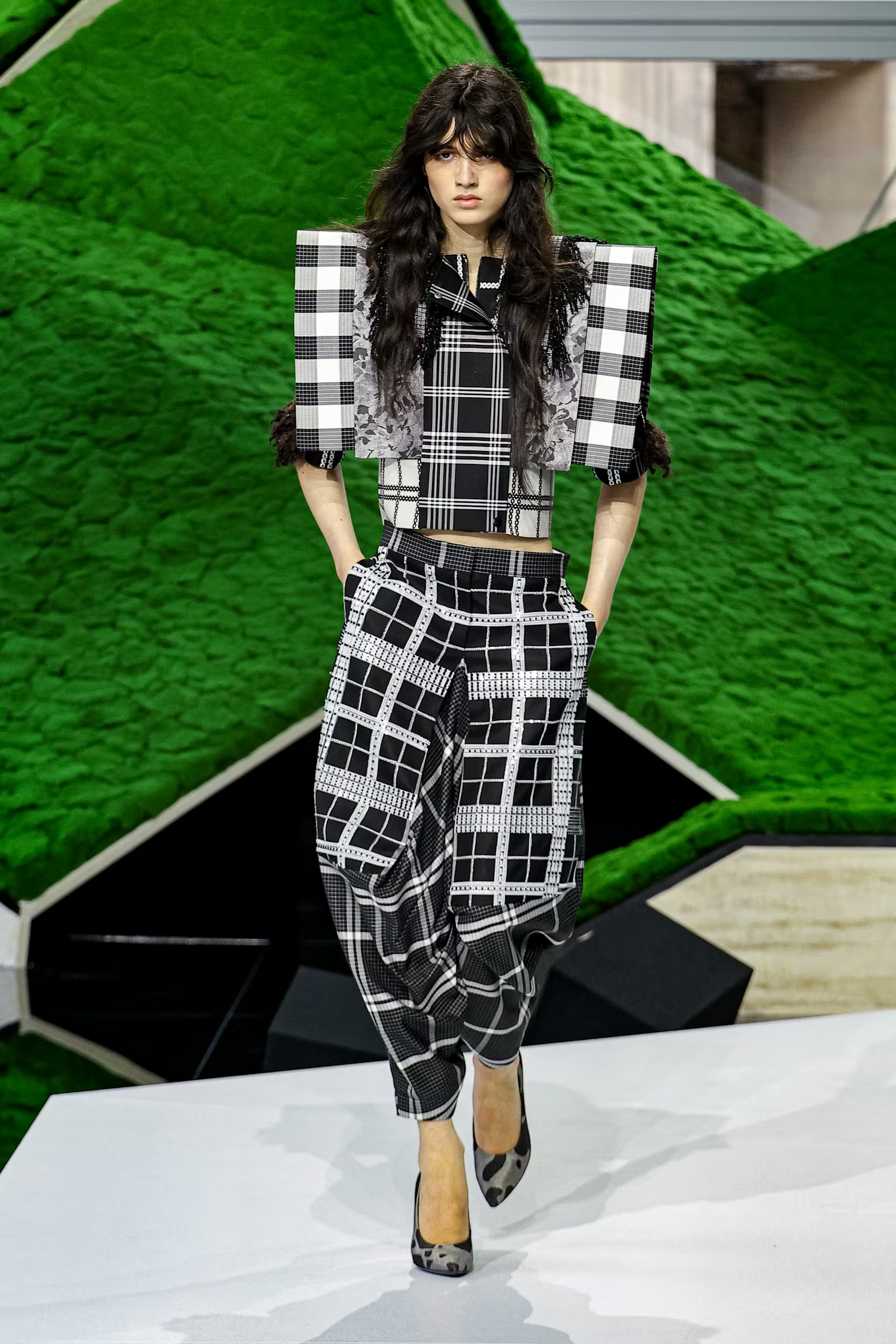
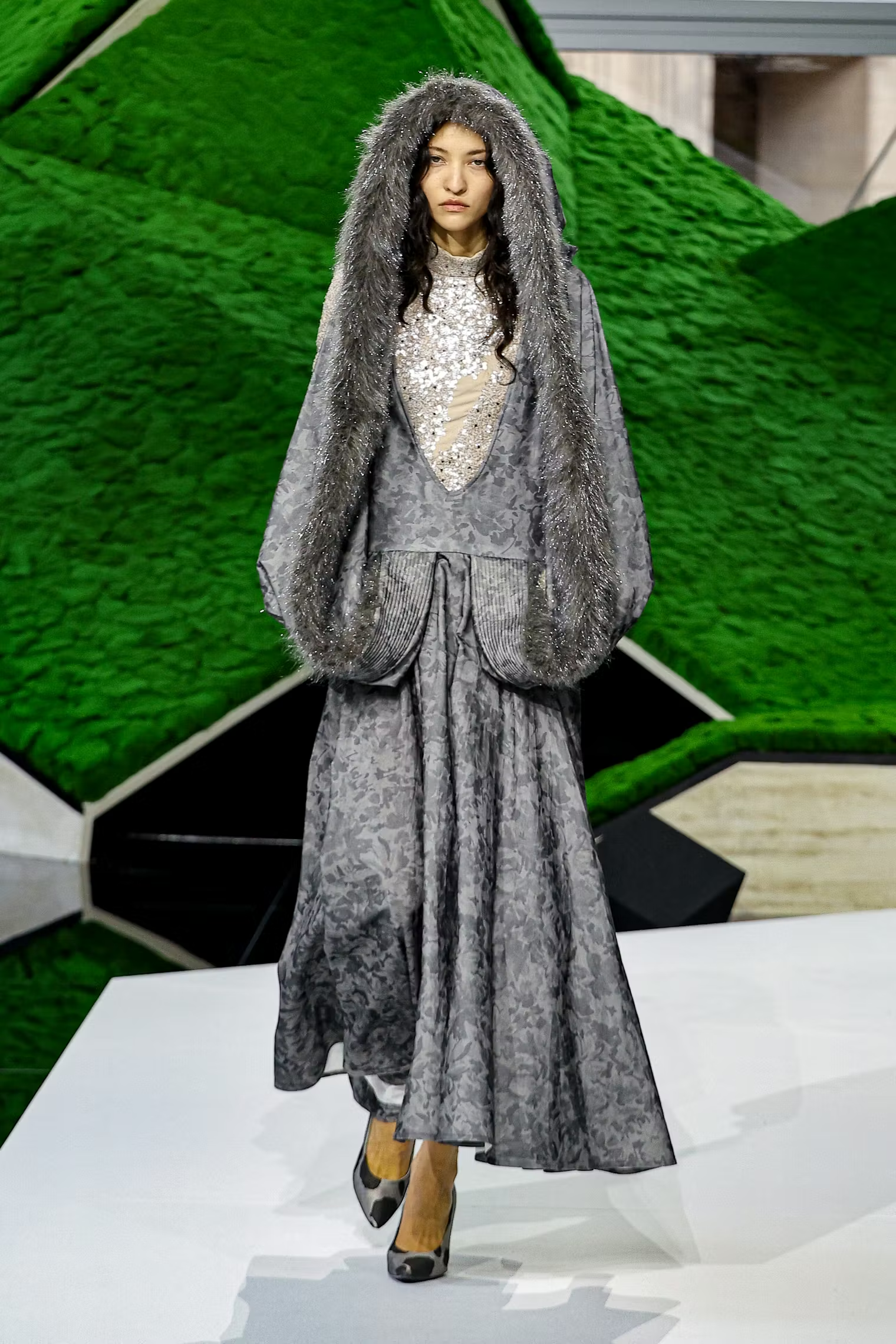
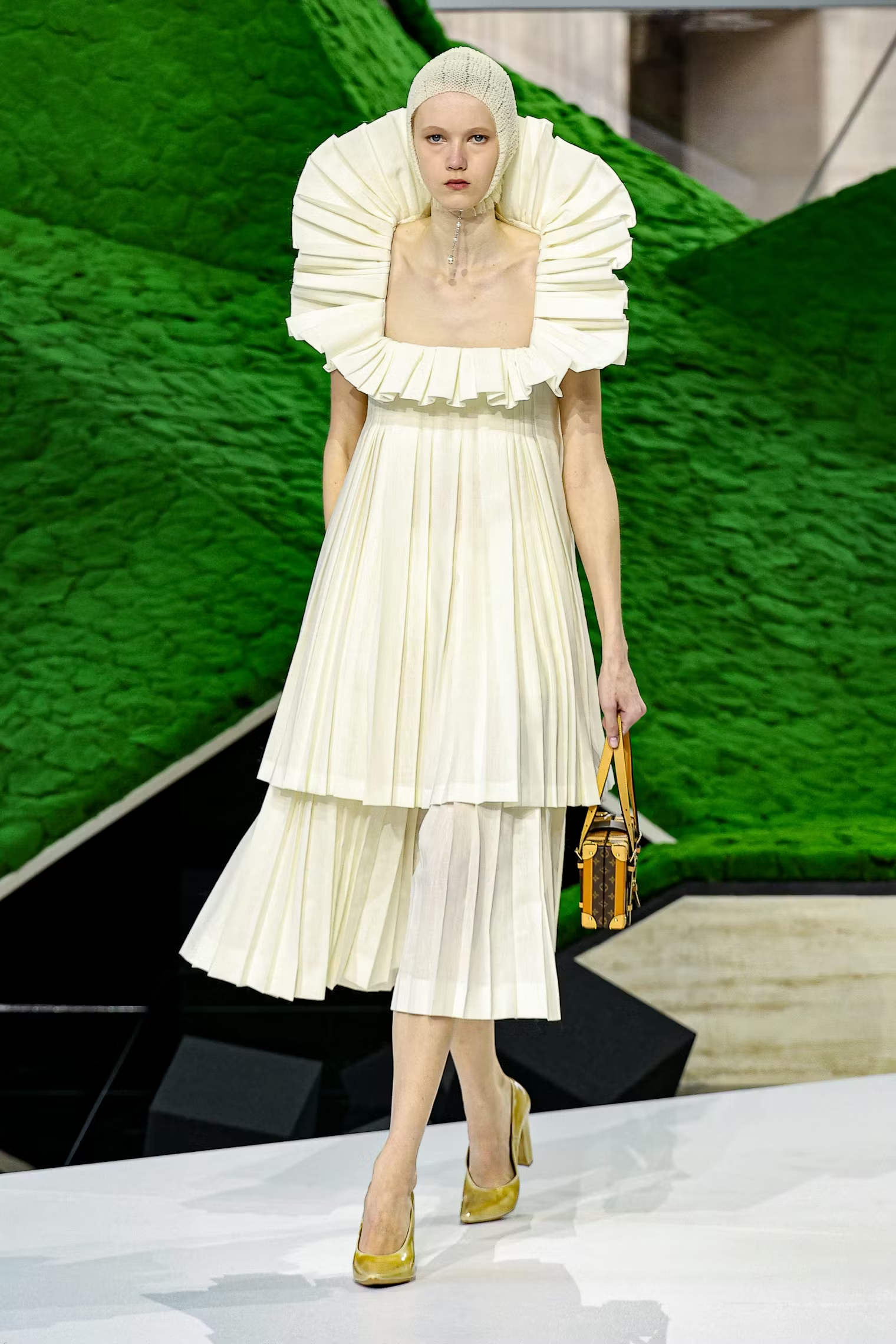
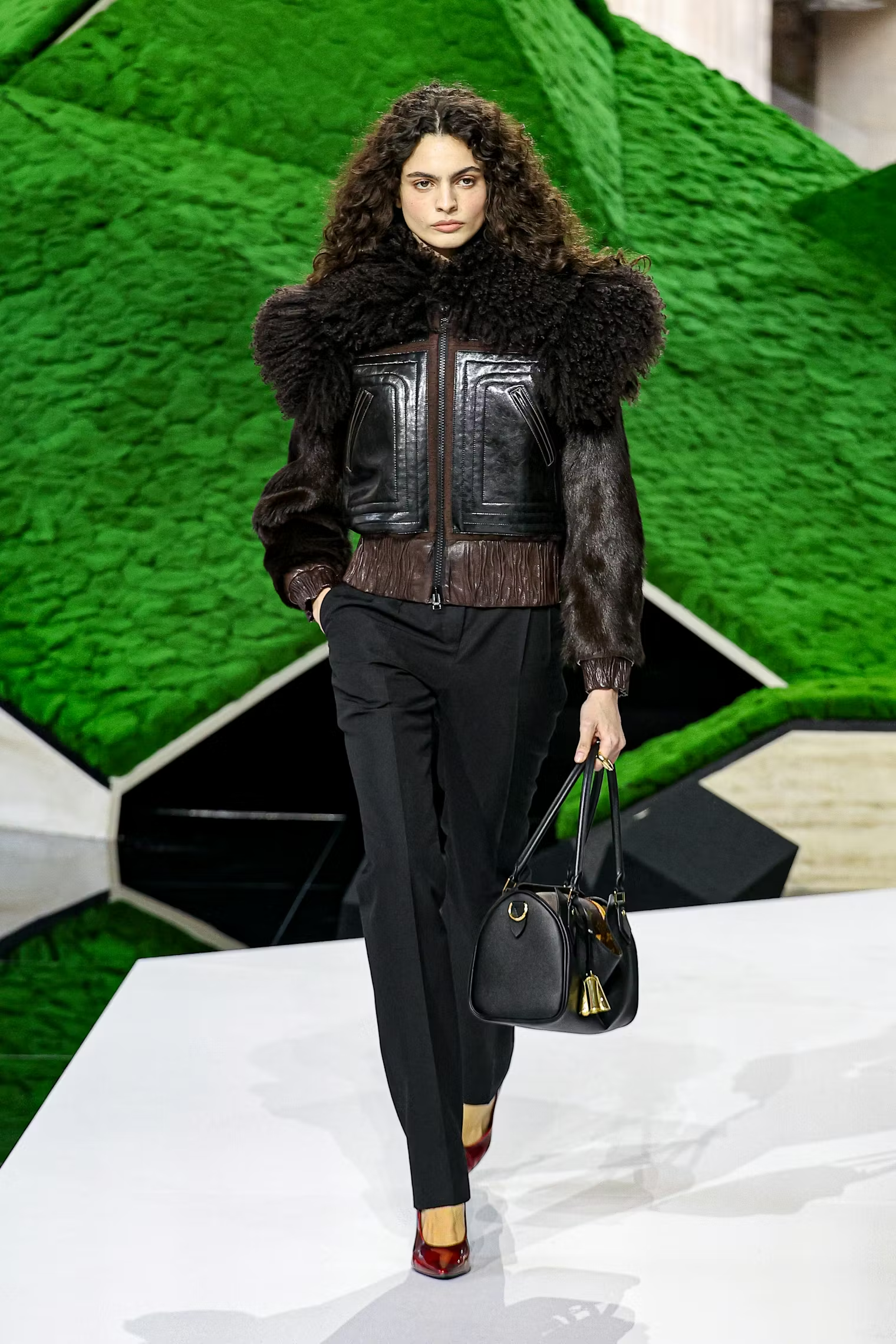
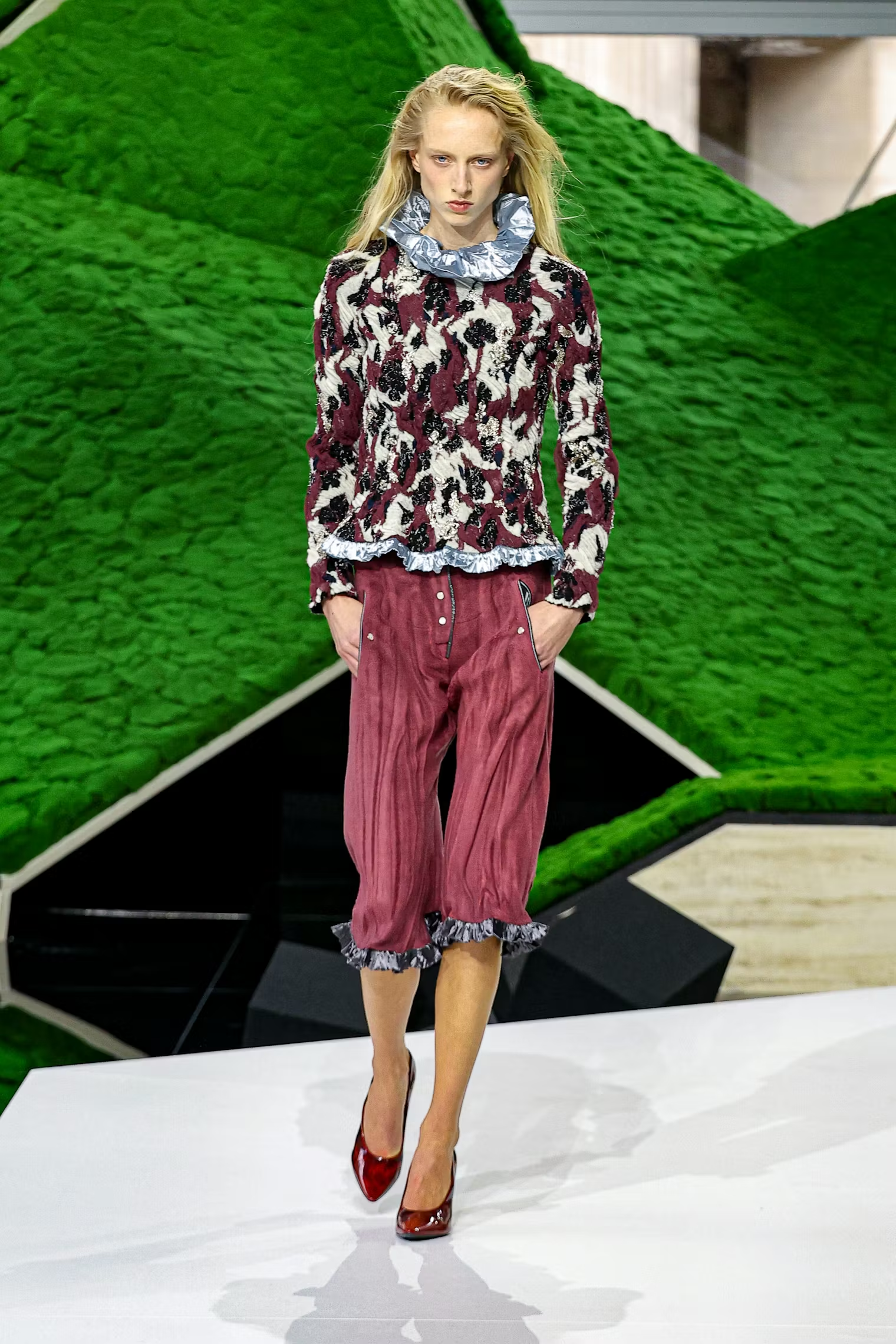
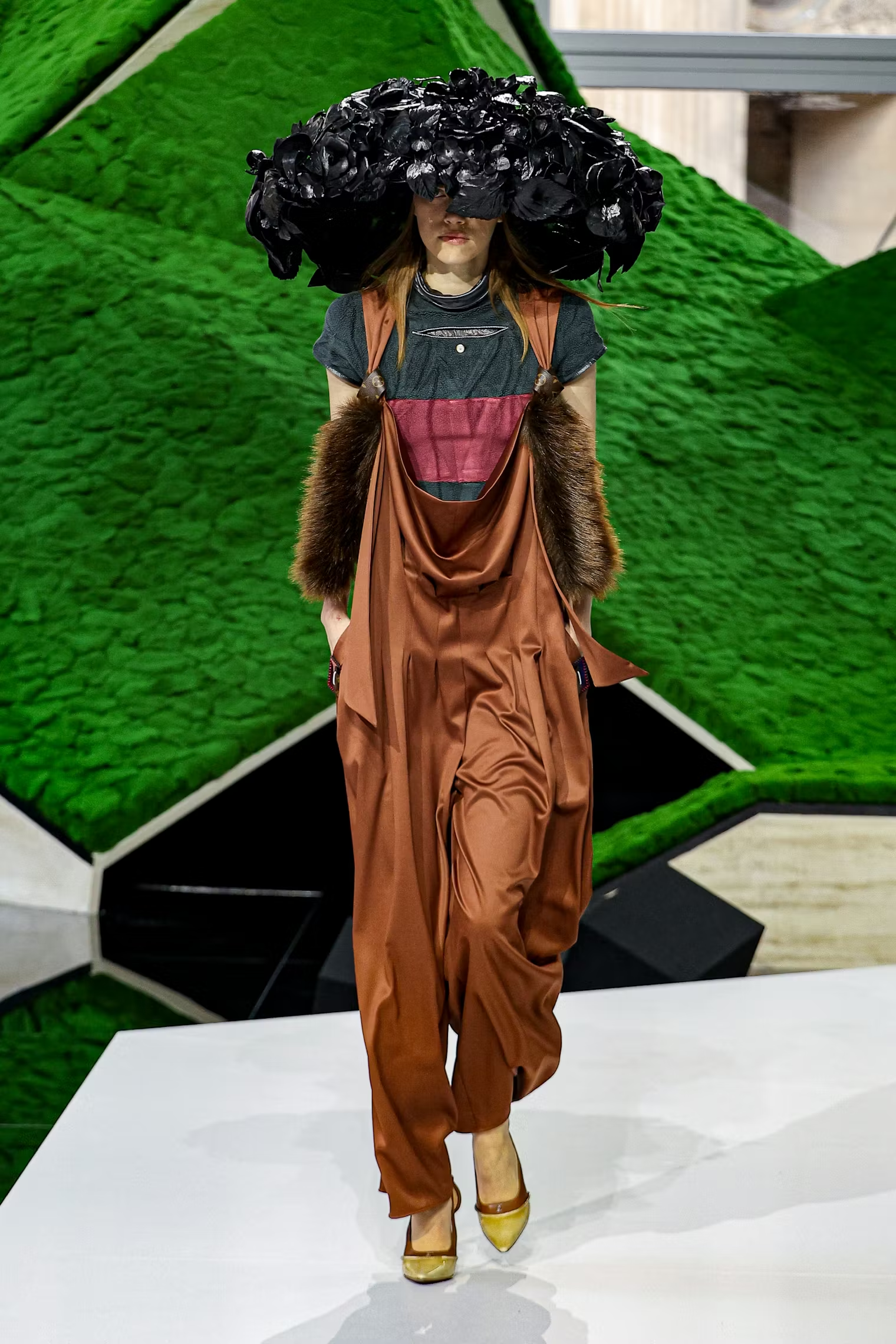


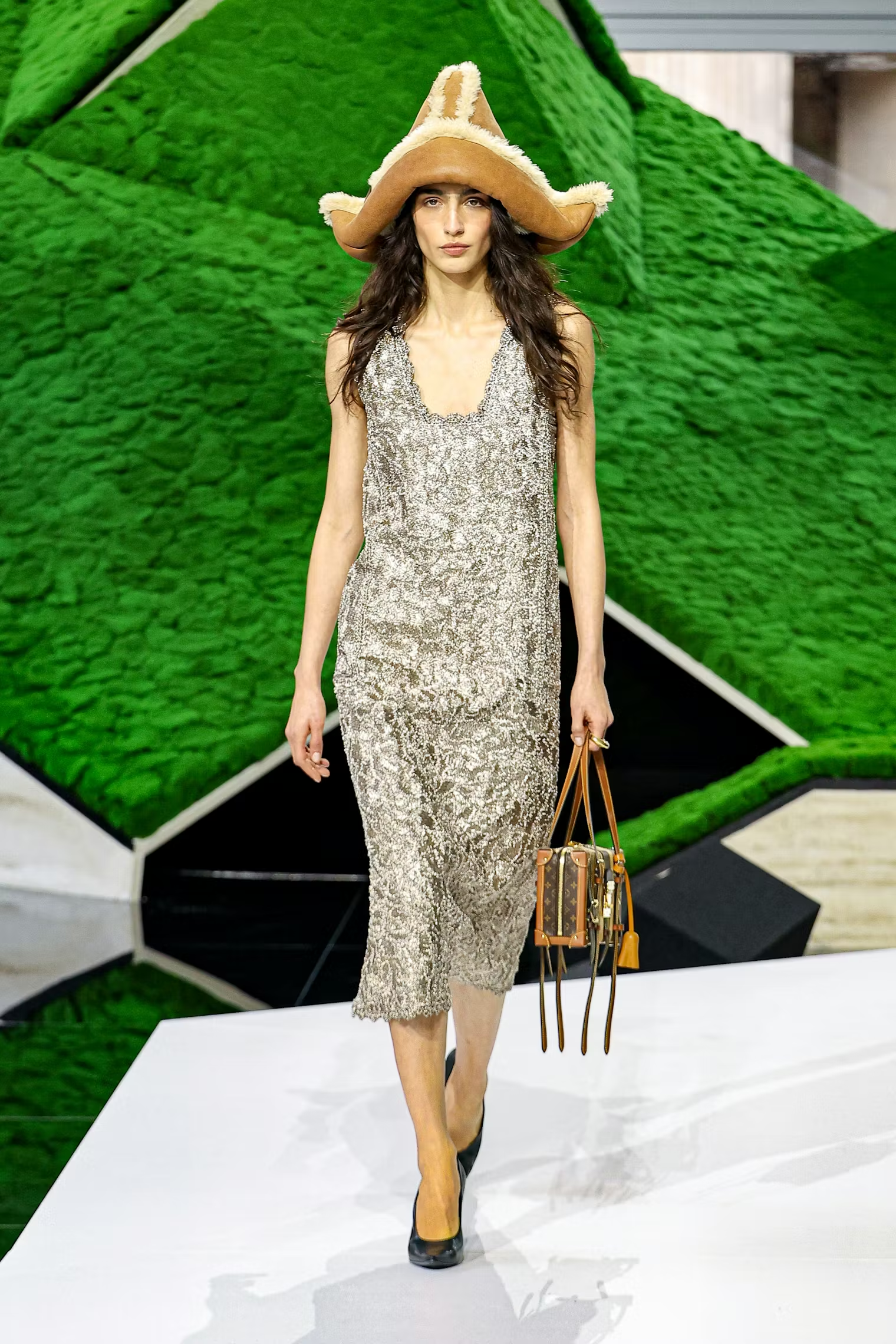
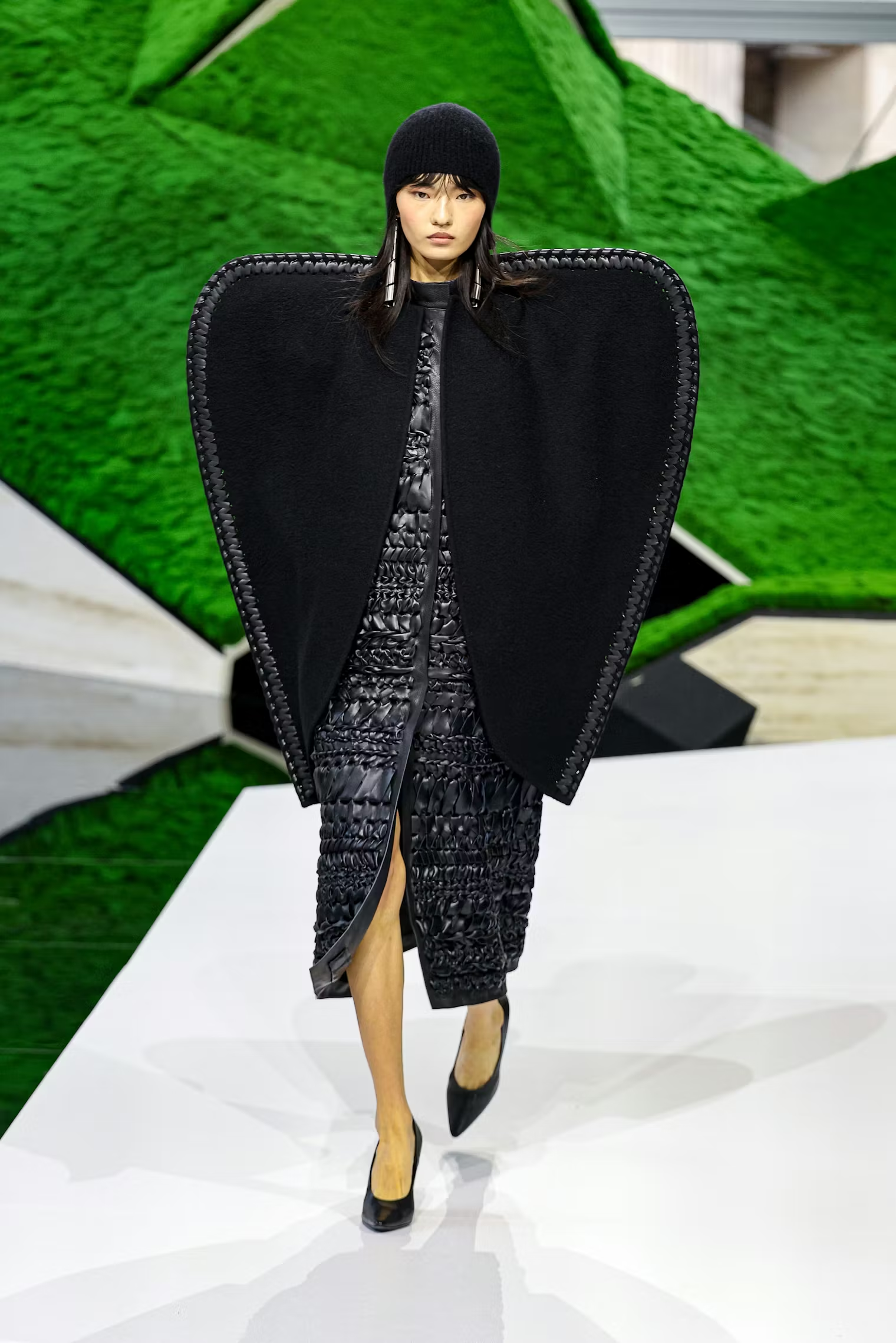
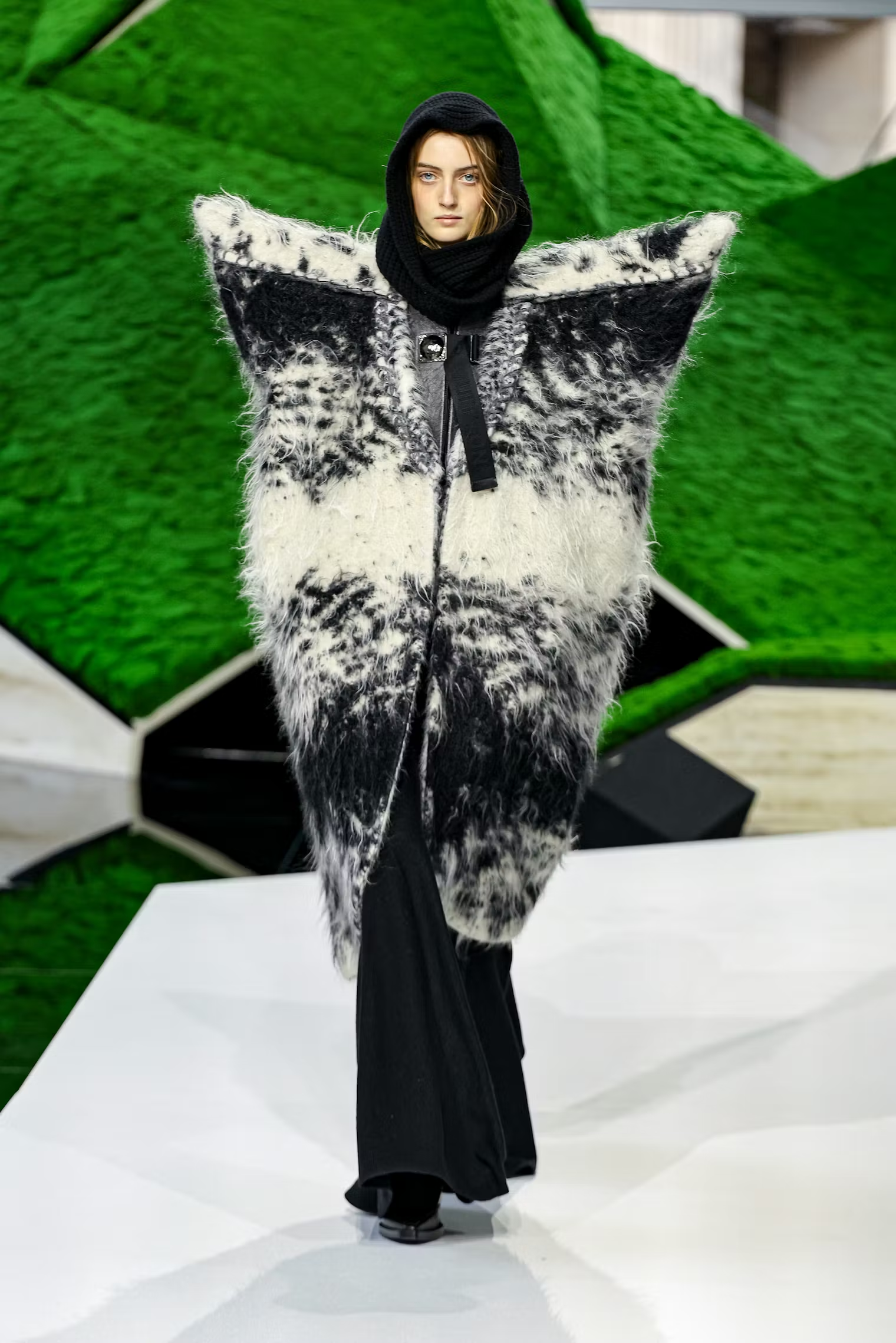
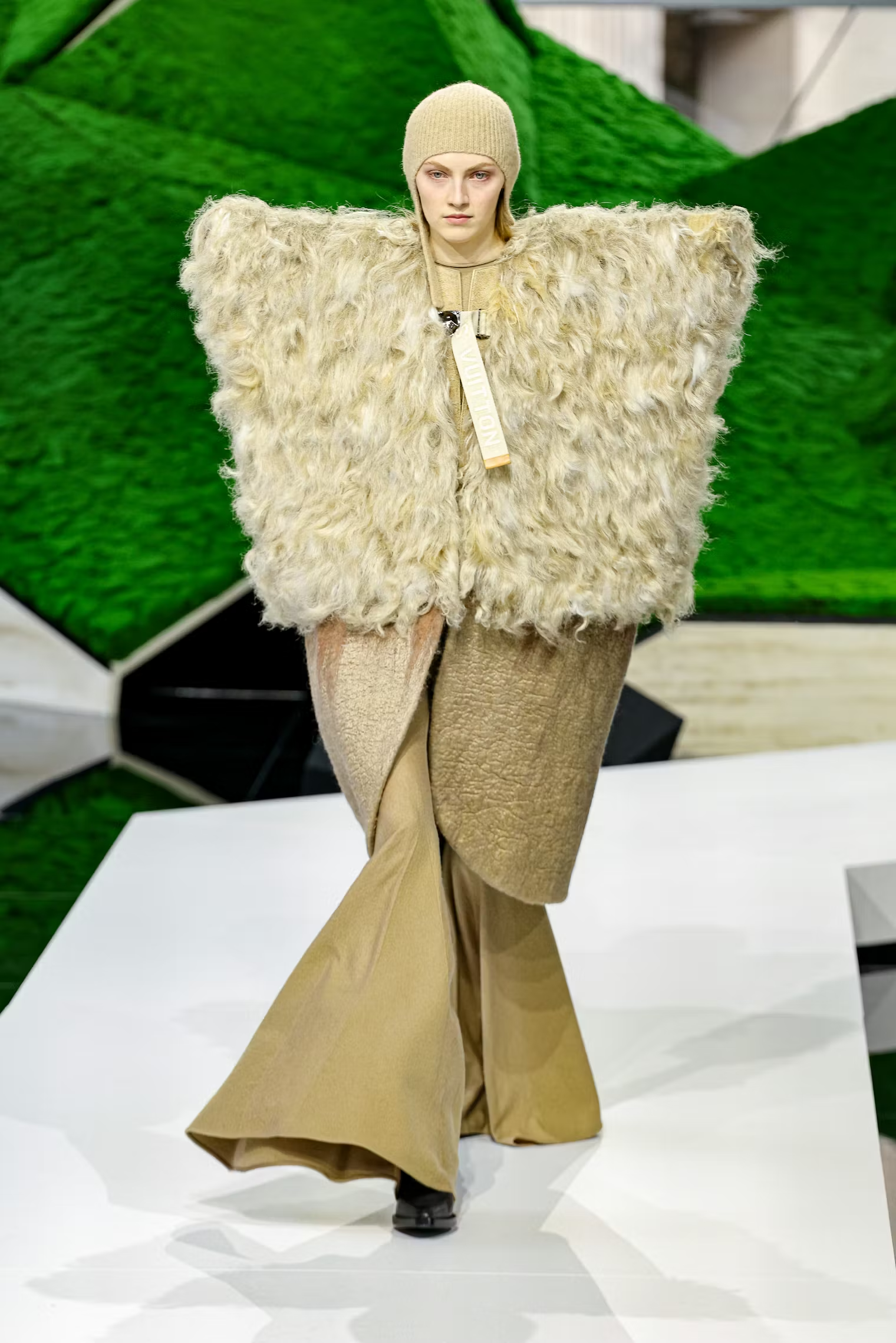
Lyvans Boolaky/Getty Images
Silhouettes: Between Protection and Fantasy
The collection opened with exaggerated outerwear reminiscent of traditional shepherd cloaks—reimagined in luxurious materials such as brushed animal hair and leather-trimmed wool. These pieces blurred the line between function and fantasy, appearing both protective and theatrical.
Elsewhere, silhouettes oscillated between structure and fluidity:
- Cropped leather jackets adorned with vegetal, fur-like textures
- Stiff, cape-like constructions with pronounced shoulders
- Patchwork rompers and geometric mini dresses
- Silk overalls reinterpreted as elevated farmwear
These designs reinforced Ghesquière’s fascination with clothing as “architecture,” shaping the body while telling a story.
Textures, Craft, and Storytelling
Materiality played a central role. Tweeds were embroidered with forest creatures, while garments featured naive pastoral illustrations—adding a narrative, almost childlike dimension to the collection.
This attention to storytelling extended to craftsmanship. Each piece felt layered with meaning: garments were not just worn, but inhabited—suggesting lives lived in different landscapes and climates.
The Rise of Modern Folklore
Ghesquière described the collection as an act of “fashion anthropology,” proposing that clothing can connect cultures rather than divide them.
The result was a wardrobe that felt both ancient and futuristic:
- Folkloric motifs translated into high fashion
- Traditional garments elevated through luxury fabrication
- Fantasy elements grounded in real-world references
It was less about wearability in the conventional sense, and more about expanding the imagination—challenging the audience to rethink what contemporary fashion can be.
Accessories and Emerging Trends
Even amid the conceptual garments, wearable elements emerged—particularly in accessories. Footwear stood out, with modernized pumps featuring sculptural shapes and bold textures, signaling a key trend for 2026.
Bags and small leather goods maintained the house’s heritage of travel and craftsmanship, anchoring the more experimental looks in Louis Vuitton’s DNA.
Cultural Impact and Celebrity Endorsement
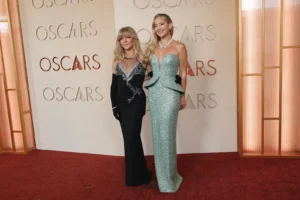
The collection has already begun influencing red carpet fashion. Celebrities like Zendaya and Emma Stone have embraced pieces from the Autumn/Winter 2026 line, showcasing its adaptability—from sculptural daywear to elegant evening silhouettes.
These appearances reinforce Louis Vuitton’s position not only as a heritage brand, but as a cultural force shaping contemporary style narratives.
Conclusion: Fashion Beyond the Present
Louis Vuitton’s Autumn/Winter 2026 Ready-to-Wear collection is not merely a seasonal offering—it is a conceptual statement about identity, culture, and the future of fashion. By weaving together global influences, natural themes, and architectural design, Ghesquière invites us to see clothing as a universal language.
In a time dominated by speed and digital uniformity, this collection dares to slow down, look outward, and imagine a world where fashion reconnects us—to nature, to history, and to each other.
About The Author